State Seal and State Symbols
The history of South Dakota's Great Seal, state flag, pledge, and official emblems.
Under God the People Rule
Great Seal of the State of South Dakota
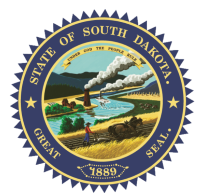
The design of the Great Seal and the motto “Under God the People Rule” were proposed by Dr. Joseph Ward and adopted at the 1885 Constitutional Convention. The wording was changed from “State of Dakota” to “State of South Dakota” when statehood arrived in 1889.
The seal depicts mining, hills, agriculture, cattle, corn, a river, and a steamboat. The official colored version is based on the painting created by John G. Moisan of Fort Pierre.
The official seal was transferred from State Archives to the Secretary of State's Office in January 2017 and is displayed in the Capitol office lobby.
Sky blue and gold
State flag and pledge
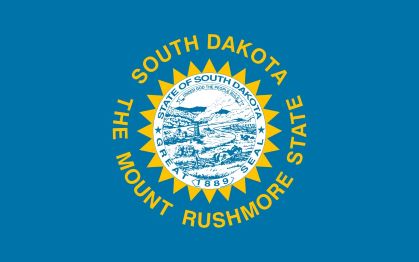
The current flag places the Great Seal within a golden blazing sun on a sky-blue field. The words South Dakota appear above the sun and The Mount Rushmore State appear below it.
South Dakota adopted its first state flag in 1909. Ida M. Anding designed the original flag, and legislation in 1963 established a more practical single-emblem design. The official nickname on the flag changed in 1992.
“I pledge loyalty and support to the flag and state of South Dakota, land of sunshine, land of infinite variety.”
The state pledge may not preempt, replace, or be recited before the Pledge of Allegiance to the flag of the United States.
Select a symbol to learn more
South Dakota state symbols
State SongHail South Dakota
The official state song was adopted in 1943. It is a marching song composed by Deecort Hammitt.
State AnimalCoyote
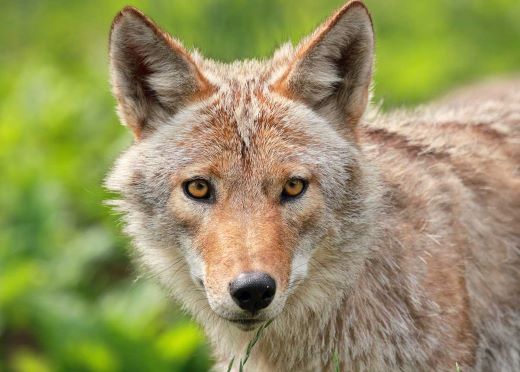
Named the state animal in 1949, the coyote is an adaptable predator found across South Dakota, especially along the Missouri River, its tributaries, and in the Black Hills.
State BirdRing-Necked Pheasant
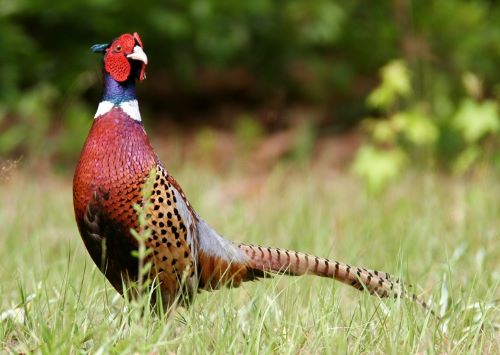
Introduced successfully in Spink County in 1908, the ring-necked pheasant officially became the state bird in 1943.
State SoilHoudek Soil
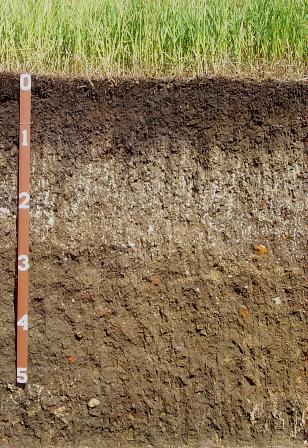
Houdek was designated the state soil in 1990. This deep, well-drained prairie soil supports cropland, rangeland, and wildlife habitat.
State DrinkMilk

Milk was adopted as the official state drink in 1986 in recognition of South Dakota's dairy industry.
State InsectHoney Bee
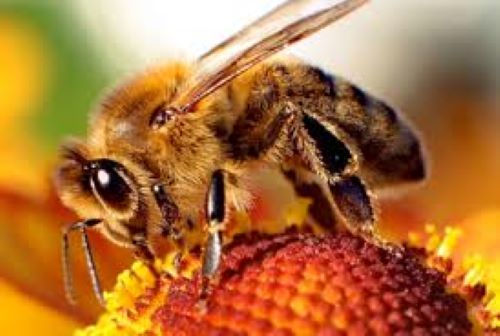
The honey bee was adopted as the state insect in 1978 in recognition of its importance to agriculture and honey production.
State FossilTriceratops
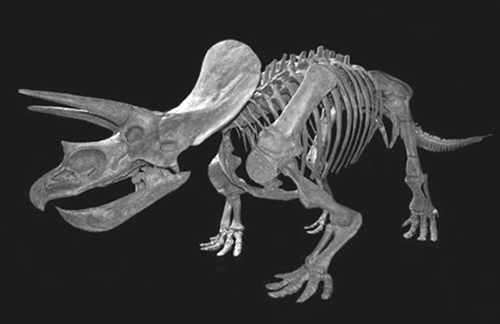
The state fossil is a horned dinosaur from the late Cretaceous period. A skeleton discovered in Harding County in 1927 is displayed at the Museum of Geology in Rapid City.
State GrassWestern Wheatgrass
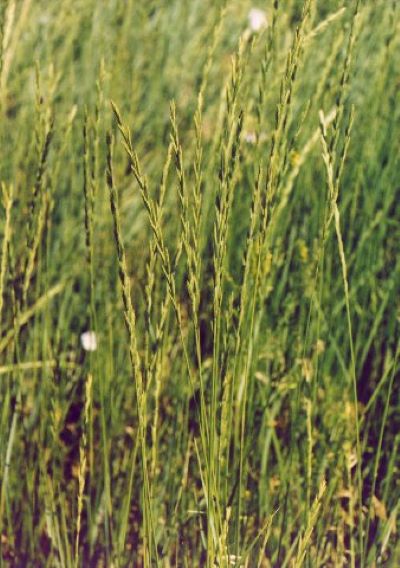
Western wheatgrass is a cool-season native grass found throughout South Dakota. It was named the state grass in 1970.
State FlowerAmerican Pasque
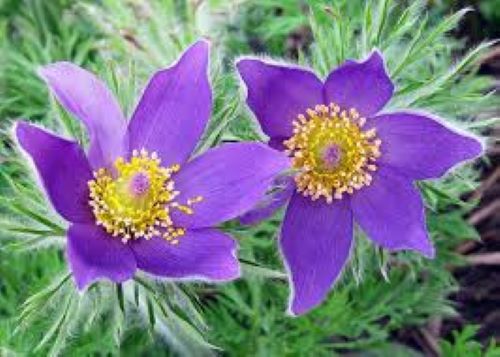
The American pasque grows wild throughout the state and is one of the first signs of spring. State law established it as the floral emblem in 1903 with the motto “I lead.”
State JewelryBlack Hills Gold
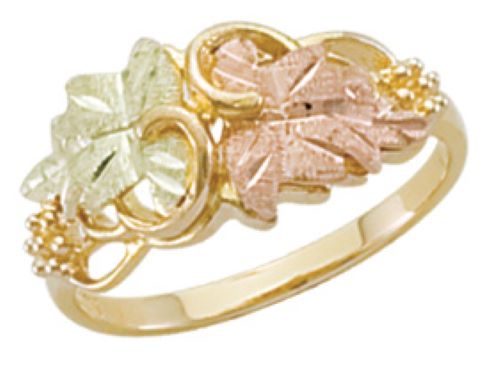
Black Hills Gold jewelry is recognized for grape clusters and leaves in green, rose, and yellow gold. It was designated the state jewelry in 1988.
State GemstoneFairburn Agate
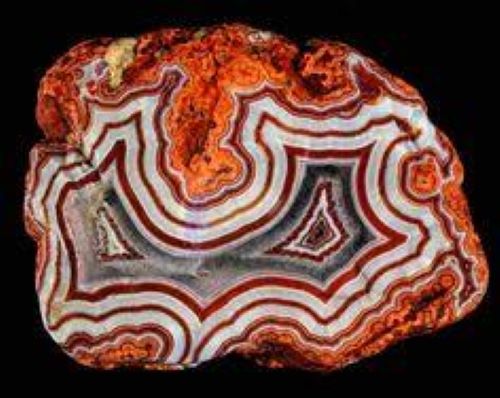
Fairburn agates are noted for thin bands of sharply contrasting natural colors. The gemstone designation was made in 1966.
State MineralRose Quartz
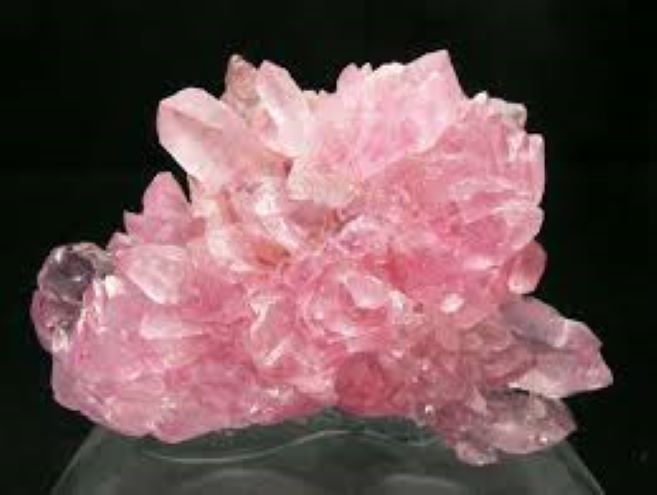
Rose quartz is mined in the southern Black Hills and used for ornaments and jewelry. It was designated the state mineral in 1966.
State NicknameThe Mount Rushmore State
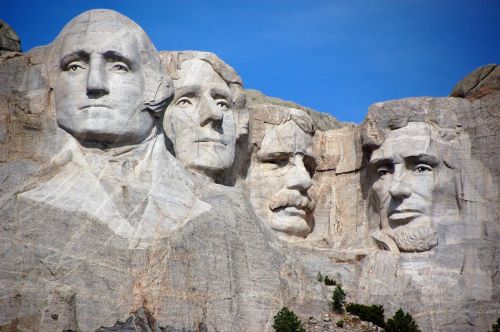
The Mount Rushmore State became South Dakota's official nickname in 1992.
State FishWalleye
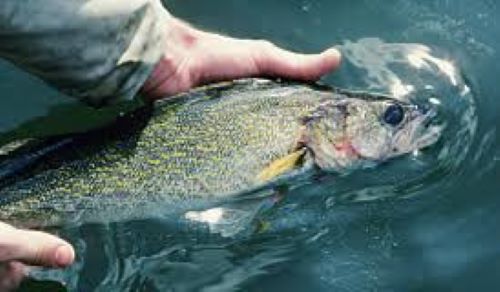
Designated as the state fish in 1992, the walleye is found in lakes and rivers across South Dakota and is especially common in the Missouri River system and northeastern glacial lakes.
State Musical InstrumentFiddle
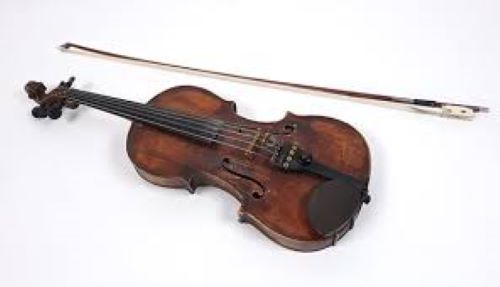
The fiddle was designated the official state musical instrument in 1989.
State TreeBlack Hills Spruce
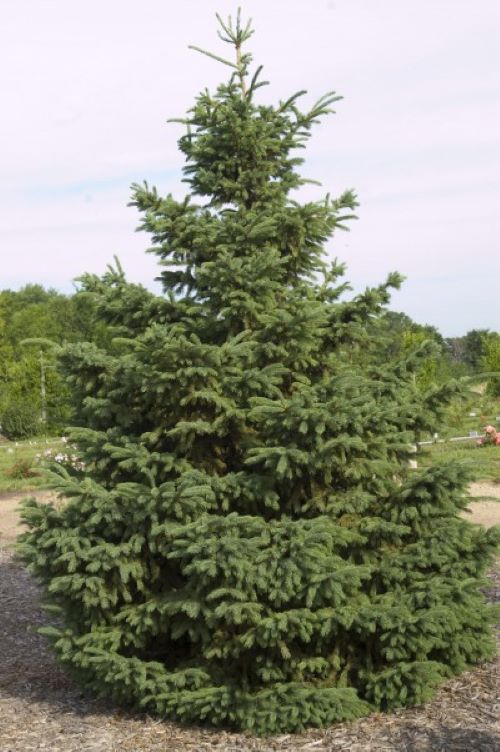
Named the state tree in 1947, the Black Hills spruce is a naturally occurring variety of white spruce native to South Dakota.
State DessertKuchen
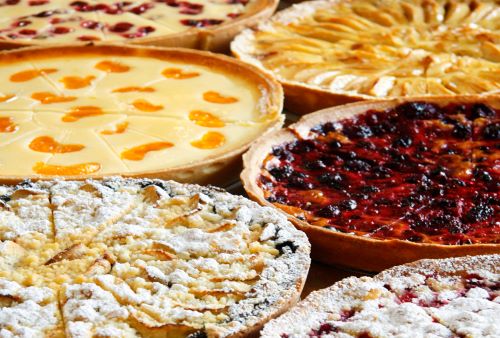
Kuchen is a German-Russian pastry with a sweet dough crust and custard filling, often topped with fruit. It was designated the official state dessert in 2000.
State SportRodeo
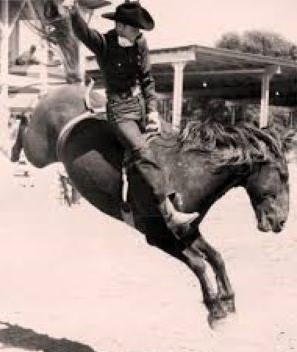
Rodeo reflects a long South Dakota tradition of rough-stock and timed events. It became the official state sport in 2003.
State BreadFrybread
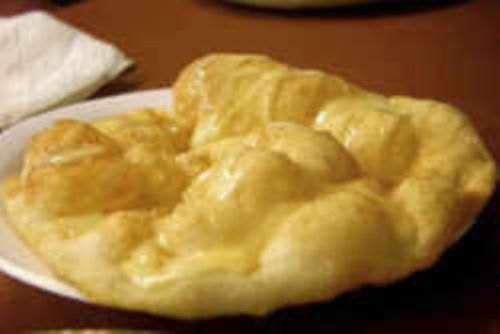
Frybread has been part of Native American family meals and public gatherings for generations. The Legislature designated it the official state bread in 2005.